UKRAINE PULSE
News, Advice and Practical Guides for Ukrainians Abroad

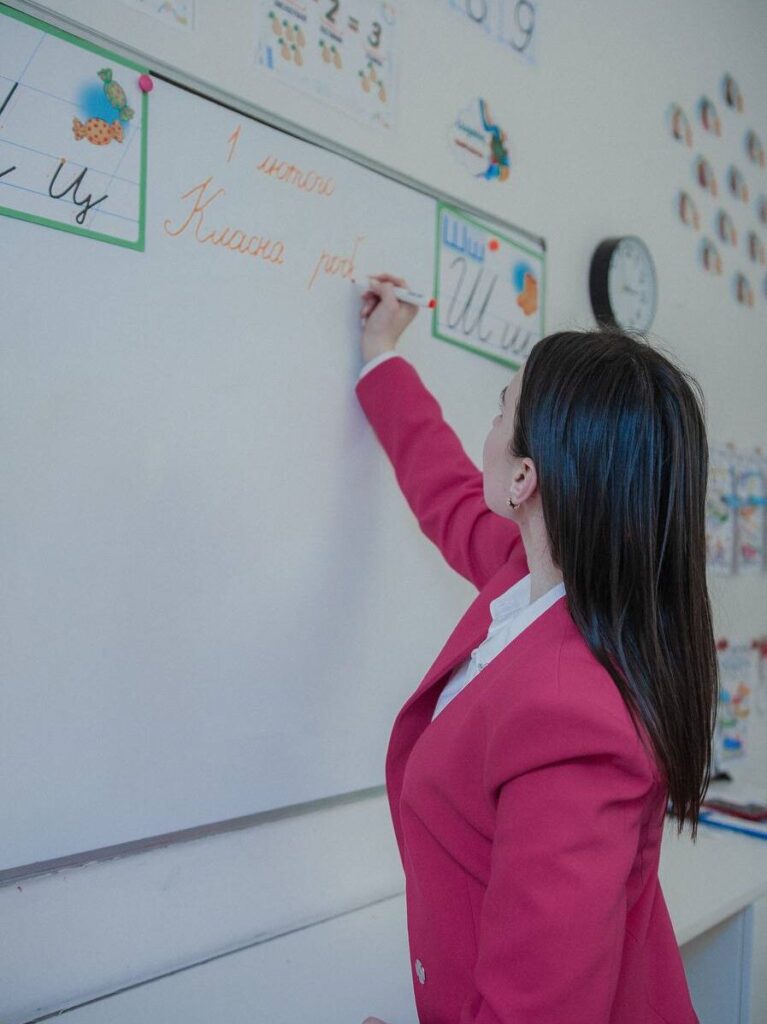
Tetyana Novosel arrived in the Czech Republic in March 2022. In Ukraine, she was an elementary school teacher with a stable and predictable life until February 24th changed everything.
When she had to save her and her child’s life, Tetyana chose the Czech Republic for two reasons: it was close to Ukraine, offering illusory hope of quick return home, and her ex-husband lived there, providing potential minimal support.
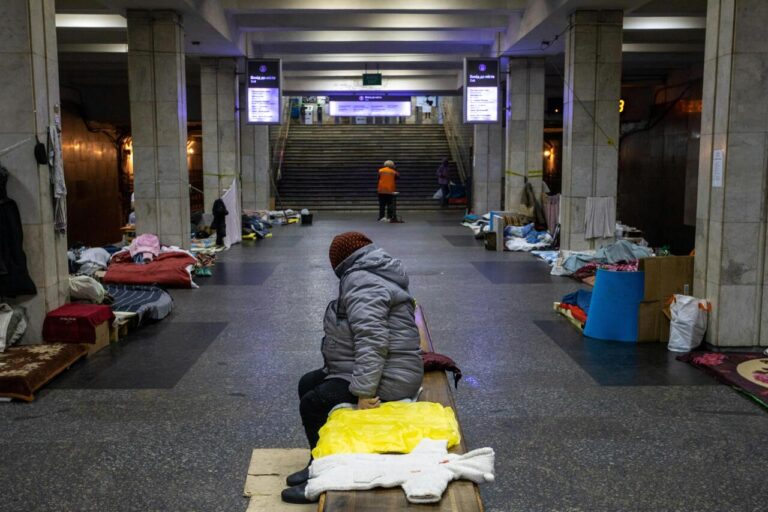
“When I arrived, there was complete chaos in my head. We settled in a dormitory, sharing one room with my daughter and another woman with her child,” Tetyana recalls her first days in the Czech Republic.
She settled in the small town of Suchdol with three thousand inhabitants. The first two months were an adaptation period – she received state aid and tried to comprehend her future. But then came the realization: the war wasn’t ending, there was nowhere to return, and no financial or other support would come.
The only employment opportunity at the time was a factory producing automotive parts. For an elementary school teacher, the work proved extremely difficult:
“I had to learn all the machines. Imagine – I always worked with children, and here was a completely different field, physically demanding men’s work. Plus, I didn’t know the language. I was very worried.”

It was especially hard to combine three-shift work with raising a small daughter.
“I would come from the night shift, and my child was already ready, standing at the door. I immediately took her to kindergarten in the neighboring village. I’d return, having literally one or two hours to sleep. Then I’d pick up my daughter, and we’d spend time together. In the evening, I had to leave her with my roommate again because I was going to the night shift. It was very uncomfortable, but there was no other way out,” Tetyana shares.
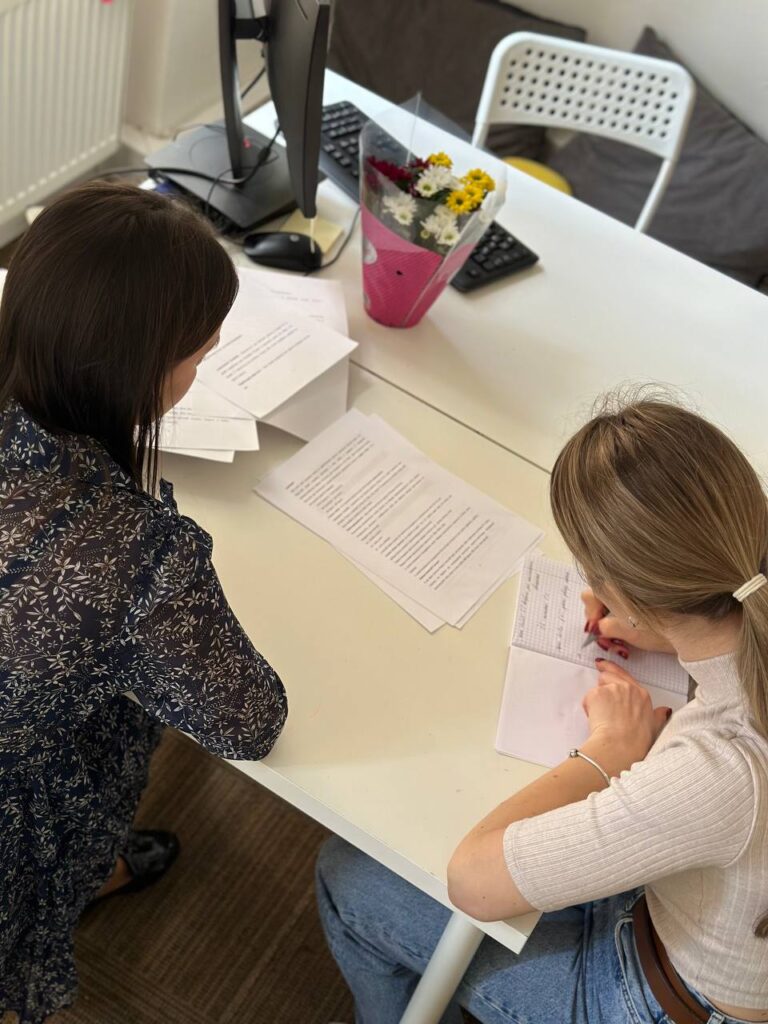
Even under such difficult conditions, the woman found time to study Czech.
“When people tell me they don’t have time to learn the language, I just laugh. I used every free minute. On the way to the factory – 40 minutes each way – I listened to podcasts. I attended free courses at school, despite bad weather or fatigue. Even after night shifts, I dedicated at least 15 minutes to studying,” she shares her experience.
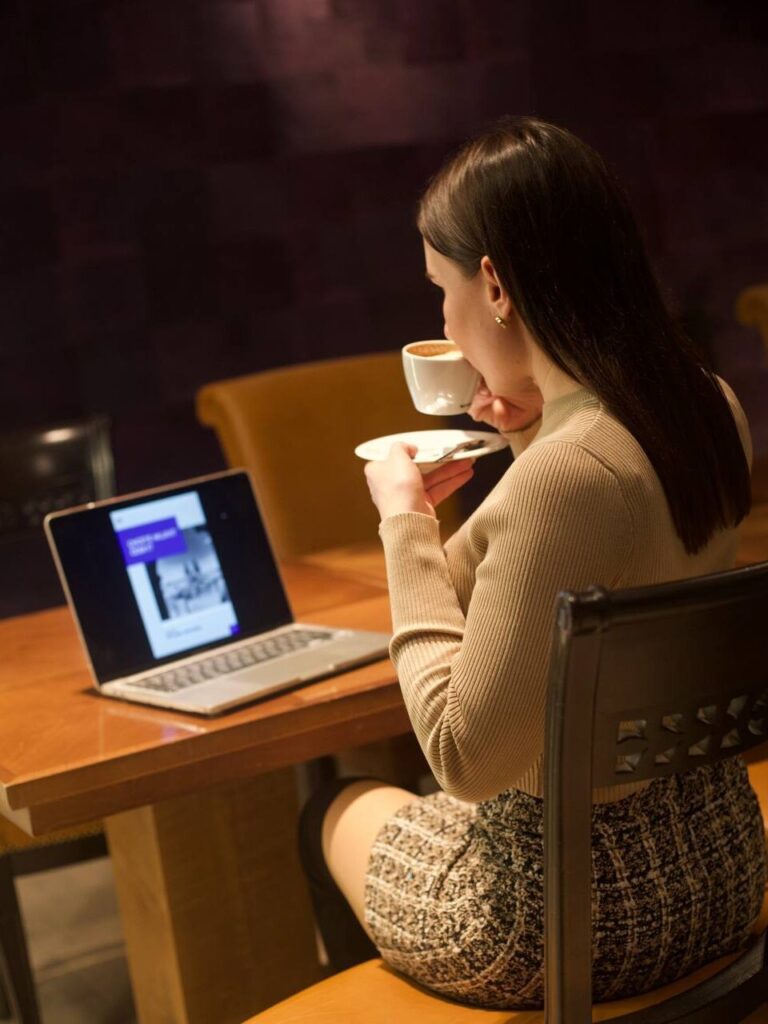
After a year of hard work, Tetyana moved to another factory with only day shifts – this was already some relief. In parallel, she obtained qualification as a teaching assistant, passed the Czech language exam at B2 level, and began looking for work in schools.
“I sent my resume to approximately 40 different schools across the Czech Republic. Most refused immediately, but I didn’t give up,” she recalls.
Despite not receiving any positive responses from potential employers, she decided to quit the factory. One can only imagine what a mother feels when she hasn’t been able to properly spend time with her own daughter for over a year.
It was summer, so hopes of finding school work by autumn seemed quite realistic. However, in August, especially towards the end, Tetyana despaired as she realized schools had already opened their doors to students, yet no one had offered her a job. But the situation changed within days. At the beginning of September 2023, an opportunity arose to work as a teacher in a Ukrainian school. Only one “but” – the school was located in Prague.

Moving to the capital was not an easy decision – she had to borrow 2,000 euros and find housing that cost three times more than in the small town. The first month, while Tetyana didn’t have housing in Prague, she commuted to work from another city, getting up at four in the morning. A separate challenge was finding a place in a Prague school for her own daughter.
But when household matters were resolved, Tetyana fully immersed herself in work. Working at school, she began giving private Czech language lessons online. Based on her experience, she wrote a book for Ukrainians learning Czech.
“I observed how difficult it was for our people, especially mothers with children. I wanted to help them somehow,” she explains. The book unexpectedly became successful – the first edition brought her 10,000 crowns.

Gradually, private practice expanded, and Tetyana realized she could earn more working for herself. So after a year, she quit school and focused on her own business – teaching Czech individually and in groups, selling educational materials, managing social media as a blogger.
“I work fewer hours than at school, but earn more,” she says.
Tetyana actively shares her experience and helps other Ukrainians. For those who bought her book, she conducts free online lessons. She participates in the public organization “Rodyna,” which helps integrate Ukrainians in the Czech Republic.
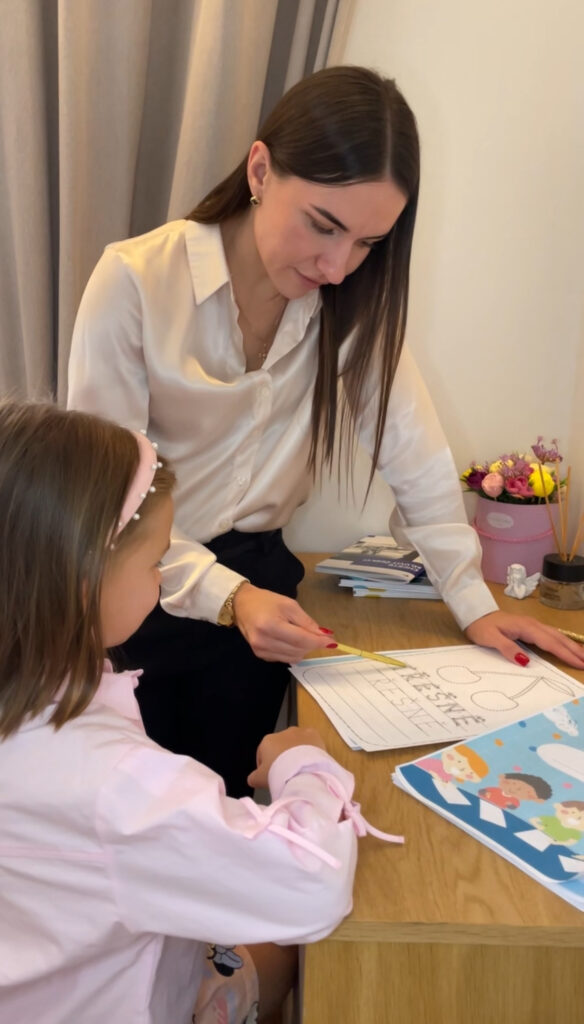
“I want to show by my example that everything is possible – even if you’re alone with a child, without financial cushion, without knowing the language. You can learn the language, find your path, realize yourself in a foreign country. I want our Ukrainians not to limit themselves to hard physical work in factories and warehouses. Everyone can find work according to their calling and earn through intellectual labor,” Tetyana concludes.
INNA YAKIMENKO